New Voluntary Workplace Benefits 2026: Critical Illness Coverage
Advertisements
Interest in voluntary workplace benefits 2026 is growing as employers and employees look for additional ways to manage healthcare expenses and financial uncertainty. Critical illness insurance is receiving attention because it can provide a cash benefit following a qualifying medical diagnosis.
Some reports have suggested that 48% of employers are adding critical illness coverage in 2026. However, that specific figure has not been verified as a measure of newly added plans. Available research instead shows varied levels of employer participation, employee interest, and awareness.
Understanding what critical illness insurance actually covers, how premiums work, and what employees should review before enrolling is essential. This guide examines the developments influencing supplemental workplace benefits and the decisions employers and workers face.
The Surge in Critical Illness Coverage for 2026
Critical illness insurance has become an established category within the broader market for supplemental workplace benefits. Employers may offer it alongside accident insurance, hospital indemnity coverage, disability insurance, and other optional protections.
Its availability does not necessarily mean an employer is paying the premium. Many voluntary benefits are funded primarily or entirely by employees, often through payroll deductions.
Research into voluntary workplace benefits 2026 suggests continued interest in supplemental protection, but the figures require careful interpretation. A company already offering critical illness insurance is different from one introducing the benefit for the first time.
The Employee Benefit Research Institute published findings in August 2026 examining employees' understanding of supplemental coverage, enrollment decisions, and financial vulnerability. Its research emphasizes that affordability and awareness can limit participation even when benefits are available.
For employees, the relevant question is not simply whether critical illness coverage is offered. It is whether the policy provides worthwhile protection for the premium, considering existing insurance, savings, and household needs.
Understanding Critical Illness Coverage
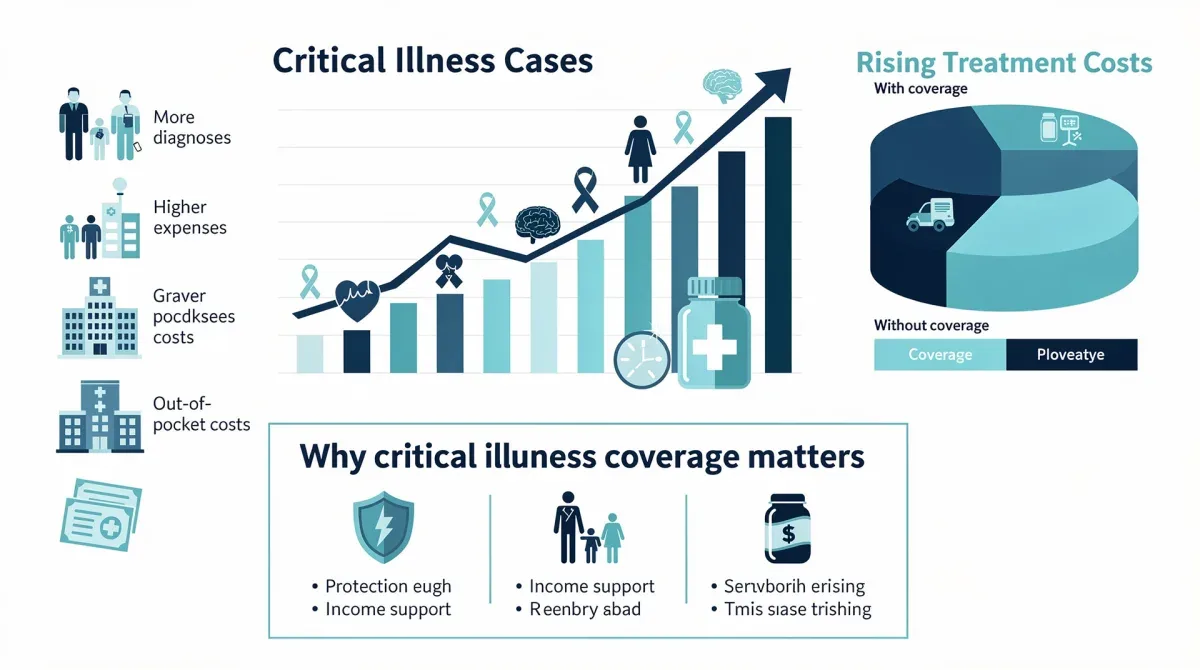
Critical illness coverage is a type of supplemental insurance that generally pays a specified cash benefit when an insured person meets the policy's requirements for a covered illness.
Qualifying conditions may include certain cancers, heart attacks, strokes, or other serious medical events. However, the illnesses covered, their definitions, and the benefit amounts vary significantly by insurer and policy.
Unlike major medical insurance, critical illness coverage usually does not reimburse every eligible medical service. Instead, many policies pay a lump sum directly to the insured person after an approved claim.
That money may be used for medical bills, transportation, household expenses, or other financial priorities, subject to the policy's terms. A diagnosis alone does not guarantee payment if the condition falls outside the contract's coverage definitions.
Employees evaluating voluntary workplace benefits 2026 should also distinguish critical illness insurance from long-term care benefits, which address different financial and care-related needs.
Driving Factors Behind the 2026 Benefits Evolution
Healthcare expenses remain an important concern for American workers, particularly those managing deductibles, coinsurance, and other costs not fully covered by their primary insurance.
Employer-sponsored medical plans can help pay for covered treatment, but a serious illness may also create expenses unrelated to medical services. These can include transportation, childcare, household assistance, and time away from work.
Such expenses help explain why employees may consider supplemental insurance even when they already have comprehensive healthcare coverage.
However, additional insurance is not always the most economical solution. Workers should compare premiums and potential payouts against other options, including emergency savings and existing employer benefits.
Economic Realities and Employee Needs
A significant health event can affect family finances through several channels. Direct medical expenses may increase while income falls because of missed work or other personal circumstances.
Supplemental insurance can potentially address part of this financial exposure. Nevertheless, the value depends on the likelihood of a qualifying event, the amount payable, exclusions, and the total cost of maintaining coverage.
Research on employee benefits also shows that understanding plan details is a significant challenge. Workers may recognize a benefit's name without knowing what events trigger a payment.
Healthcare Expenses: Deductibles and cost-sharing can create substantial out-of-pocket obligations.
Income Disruption: Serious illness may affect employment and household earnings.
Financial Preparedness: Employees may seek additional protection against unexpected expenses.
These considerations contribute to interest in voluntary workplace benefits 2026, but they do not establish that every employee needs critical illness coverage.
The appropriate decision depends on personal circumstances, existing insurance protection, and the exact terms of the available plan.
Impact on Employee Well-being and Productivity
Employee benefits can influence perceptions of workplace support, particularly when they address concerns involving health and household finances.
Knowing that additional financial protection may be available could provide reassurance for some workers. However, insurers and employers should avoid promising that supplemental policies will eliminate financial stress.
The actual effect depends on whether workers understand their coverage, can afford the premiums, and receive the payments for which they qualify.
Critical illness insurance should also not be confused with preventive healthcare. Owning a policy does not guarantee earlier diagnosis, improved treatment outcomes, or access to specific medical services.
Holistic Health and Financial Security
A more comprehensive workplace benefits strategy considers medical coverage, income protection, financial education, and practical resources that employees may need during difficult circumstances.
Critical illness insurance can form one part of that strategy, but it should complement rather than replace other protections.
Employees may benefit from understanding how supplemental payments interact with disability insurance, sick leave, emergency savings, and health insurance coverage.
Financial Flexibility: An approved cash benefit may help cover expenses beyond medical treatment.
Additional Protection: Supplemental coverage can address selected risks not handled by other insurance.
Informed Planning: Clear benefit information supports more realistic financial decisions.
For employers, supporting employee well-being requires more than offering additional insurance products. Transparent communication, reasonable access to information, and thoughtful plan selection are equally important.
This broader perspective is central to evaluating the potential value of voluntary workplace benefits 2026.
Strategic Advantages for Employers in 2026
Employers may introduce voluntary benefits to provide additional choices without redesigning their primary medical insurance programs.
Optional benefits can help organizations respond to different employee needs. Younger workers, employees supporting families, and those approaching retirement may prioritize different forms of financial protection.
However, benefits should be selected based on workforce needs rather than assumptions about particular demographic groups.
Offering more choices can also create administrative responsibilities. Employers must consider plan comparisons, payroll integration, enrollment support, privacy, and applicable legal requirements.
Competitive Edge and Talent Retention
Benefits packages can influence how employees evaluate job opportunities, especially when comparing positions with similar compensation.
Supplemental insurance may add value to an employer's offerings, although the availability of critical illness coverage alone does not guarantee stronger retention or improved recruitment outcomes.
Employers should assess employee feedback and participation data to determine whether the options offered are understood and useful.
For voluntary workplace benefits 2026, effective design means balancing meaningful choices with affordability and manageable administration.
When employees pay the entire premium, organizations should also communicate that distinction clearly rather than presenting the insurance as a fully employer-funded benefit.
Navigating Implementation and Communication
Introducing critical illness insurance requires planning because the product differs from traditional health coverage in important ways.
Employees need to understand the covered conditions, payment structure, premiums, exclusions, and enrollment rules before deciding whether to participate.
Employers should avoid relying exclusively on promotional descriptions that emphasize potential cash payments without explaining the conditions required for an approved claim.
Providing straightforward examples can help employees distinguish between an illness that qualifies under a policy and a medical event that does not meet the contract's definition.
Best Practices for Employee Engagement
Effective communication should allow employees to compare insurance options without pressure and ask questions about terms they do not understand.
For example, a worker considering a policy should be able to identify the amount of coverage, monthly premium, waiting periods, and any restrictions related to preexisting medical conditions.
Employers can support this process with clear written materials and accessible enrollment assistance.
Educational Sessions: Explain covered events, exclusions, premiums, and claim procedures.
Plan Comparisons: Provide understandable information about benefit amounts and limitations.
Enrollment Support: Offer accessible resources for employees reviewing their options.
Workers should also ask whether coverage continues after leaving their employer and whether premiums or benefits change with age.
These details can materially affect the long-term value of a policy. A benefit that appears inexpensive today may not be equally affordable under different circumstances.
The Future Outlook for Voluntary Benefits in 2026

The future of voluntary workplace benefits 2026 is likely to be influenced by healthcare costs, employee preferences, and employers' ability to provide understandable insurance options.
Research published during 2026 indicates that workers remain interested in supplemental protection, although enrollment and awareness do not always reflect that interest.
Employers may respond by improving communication, reviewing benefit design, and expanding access to digital enrollment systems.
However, the introduction of more insurance categories does not automatically improve employee financial security. Products must provide relevant coverage at a cost that workers can reasonably evaluate.
Emerging Trends and Adaptations
Benefits administration platforms can make it easier to compare coverage options, access policy information, and track enrollment decisions.
Some employers may also consider benefits related to accident protection, hospital stays, disability income, or other household financial risks.
The most useful approach is to evaluate each offering independently rather than assuming every supplemental policy is necessary.
Research from the Employee Benefit Research Institute's August 2026 study examines employee understanding, enrollment, and financial vulnerability related to supplemental benefits.
These findings reinforce the importance of affordability and clear communication in any workplace benefits strategy.
As employers review voluntary workplace benefits 2026, the strongest programs will be those that help employees understand what they are buying and whether the protection matches their needs.
Key Point | Brief Description |
|---|---|
Critical Illness Coverage | Established supplemental insurance option; the claim that 48% of employers are adding it in 2026 is unverified. |
Employee Protection | May provide a cash payment after a qualifying diagnosis, subject to policy terms. |
Employer Benefits | Offers additional employee choices but requires clear communication and administration. |
Future Trends | Greater attention to benefit understanding, affordability, and digital enrollment. |
Frequently Asked Questions About 2026 Voluntary Benefits
What are the primary new voluntary workplace benefits in 2026?▼
Workplace benefits under consideration include critical illness insurance, accident coverage, hospital indemnity insurance, disability protection, and other optional programs. These products are not necessarily new in 2026, but employers may change which options they offer. Critical illness coverage is one example of supplemental insurance intended to address certain financial risks. Employees should compare policy terms and premium responsibilities before enrolling.
Why are employers adding critical illness coverage now?▼
Employers may offer critical illness insurance to address employee concerns about healthcare expenses and unexpected financial pressures. Benefits packages can also be part of recruitment and retention strategies. However, employer motivations vary, and the claim that 48% of employers are newly adding this coverage in 2026 has not been verified. Existing coverage rates should not be confused with new adoption.
How does critical illness coverage benefit employees?▼
Critical illness insurance may provide a lump-sum payment when an insured person experiences a medical condition meeting the policy's definitions. Depending on the contract, the money can be used for medical bills or other household expenses. Payment is not automatic after every serious diagnosis, and policies can contain exclusions, waiting periods, and other restrictions. It supplements rather than replaces major medical insurance.
What are the advantages for employers offering these benefits?▼
Employers can provide additional insurance choices that address different financial concerns among employees. These offerings may contribute to a broader benefits package, but improvements in employee satisfaction, recruitment, or retention are not guaranteed. Organizations should consider administrative costs, workforce needs, and employee understanding when deciding whether to introduce additional coverage.
What should employees know about enrolling in new benefits?▼
Before enrolling, employees should review the monthly premium, covered medical conditions, benefit amounts, exclusions, waiting periods, and any requirements involving medical history. They should also confirm whether coverage can continue after employment ends and whether payments are made directly to the insured person. Comparing these details with existing insurance and emergency savings can support a better-informed decision.
Looking Ahead: Implications for the Workforce
The growing attention surrounding voluntary workplace benefits 2026 reflects concerns about healthcare expenses and the financial consequences of unexpected illness.
Critical illness insurance can provide additional cash protection in specified circumstances, but its value depends on the policy's coverage conditions, premium costs, and how well it complements existing benefits.
Employers reviewing their benefits packages should prioritize clear communication and meaningful choices, while employees should carefully evaluate whether additional coverage suits their circumstances.
The broader direction of workplace benefits is not simply about offering more products. It is about helping people understand financial risks, compare available protections, and make informed decisions.