Medicaid Redetermination: Impact on Essential Health Benefits
Advertisements
Medicaid redetermination continues to affect access to healthcare coverage across the United States in 2026. Following the post-pandemic eligibility reviews that resulted in millions of disenrollments, beneficiaries should understand renewal notices, coverage protections, and alternative insurance options.
Medicaid redetermination is the process states use to confirm whether individuals and families remain eligible for Medicaid coverage. These reviews can affect access to medical care and prescription medications.
The nationwide post-pandemic unwinding began in 2023, after continuous enrollment protections expired. By September 2024, more than 25 million disenrollments had been reported during that historical process.
In 2026, regular eligibility renewals remain important. This guide explains the rules, healthcare services potentially affected, and practical steps beneficiaries can take to avoid preventable coverage gaps.
Understanding the Medicaid Redetermination Unwinding
The COVID-19 pandemic brought temporary continuous enrollment protections to Medicaid. These protections generally prevented states from ending coverage for most beneficiaries during the emergency period.
That continuous enrollment requirement ended on March 31, 2023. States then resumed disenrollments and conducted a large-scale Medicaid redetermination process.
The extraordinary unwinding was largely completed during 2024. Regular eligibility renewals continue, making accurate contact information and timely responses important for beneficiaries.
The Scope of Impact on Enrollees

The scale of the historical unwinding was substantial. KFF reported more than 25 million Medicaid disenrollments and over 56 million successful renewals by September 2024.
Approximately 69% of reported disenrollments during that process occurred for procedural reasons. This means a renewal was not completed rather than eligibility necessarily being disproven.
These historical figures should not be confused with a prediction of new disenrollments in 2026. Current Medicaid redetermination outcomes depend on ongoing state reviews.
What Procedural Disenrollment Means
Procedural disenrollment can occur when required information is not received or a renewal process remains incomplete. An outdated mailing address may contribute to the problem.
During Medicaid redetermination, states generally must first evaluate whether eligibility can be renewed using reliable information already available to them.
When additional information is necessary, beneficiaries may receive a renewal form or request for documents. Responding by the stated deadline is important.
Outdated Contact Information: Renewal notices may not reach the correct address.
Missing Documents: Required information may remain incomplete.
Missed Deadlines: Late responses can interfere with coverage renewal.
Administrative Problems: Errors or processing delays may affect eligibility decisions.
Essential Health Benefits and Medicaid Coverage
Essential Health Benefits, commonly called EHBs, include ten categories of healthcare services established under the Affordable Care Act.
These categories apply to qualifying individual and small-group health plans and Medicaid Alternative Benefit Plans. Traditional Medicaid programs follow related but distinct coverage requirements.
When Medicaid redetermination results in termination of coverage, beneficiaries may face disruptions in services previously covered by their specific Medicaid program.
Understanding the Ten Essential Health Benefits
Medicaid Alternative Benefit Plans must include coverage across ten Essential Health Benefit categories. Specific services and coverage details are determined under applicable rules.
During Medicaid redetermination, understanding the benefits included in a particular plan can help beneficiaries prepare for a possible insurance transition.
It is important to check the actual plan documents. The Essential Health Benefits framework does not mean every Medicaid beneficiary receives identical coverage nationwide.
Ambulatory Services: Outpatient healthcare.
Emergency Services: Covered emergency medical care.
Hospitalization: Qualifying inpatient treatment.
Maternity and Newborn Care: Services related to pregnancy and newborn health.
Mental Health Services: Behavioral health and substance use disorder treatment.
Prescription Drugs: Covered medications under applicable plan rules.
Rehabilitation Services: Rehabilitative and habilitative services and devices.
Laboratory Services: Covered diagnostic laboratory testing.
Preventive Services: Wellness services and chronic disease management.
Pediatric Services: Covered children's healthcare, including applicable oral and vision care.
Specific Healthcare Services That May Be Disrupted
A coverage interruption can complicate access to appointments, medications, and ongoing treatment. The impact depends on a beneficiary's healthcare needs.
People receiving behavioral healthcare may be particularly concerned about interruptions in mental health support services and treatment continuity.
If Medicaid redetermination places coverage at risk, contact healthcare providers and the state Medicaid agency promptly. Ask about available options before scheduled treatment is interrupted.
Prescription Medications and Ongoing Treatment
People managing chronic conditions may require regular medications and follow-up appointments. Insurance changes can affect pharmacy coverage and provider networks.
During Medicaid redetermination, beneficiaries should check whether their coverage remains active and whether any notices require immediate attention.
If a termination notice arrives, contact the prescribing provider and insurer about safe treatment continuity. Do not stop prescribed medication without appropriate medical guidance.
State-Level Approaches and Challenges
Medicaid is jointly funded by federal and state governments and administered under applicable state programs. Eligibility procedures can therefore differ across states.
States use electronic records, mailed notices, online systems, and service centers to manage Medicaid redetermination and renewal decisions.
These procedures must meet federal requirements, but the beneficiary experience can vary. Residents should rely on information from their own state Medicaid agency.
Automatic Medicaid Renewals
Some beneficiaries can have their eligibility renewed without completing a new form. This process is often called automatic or ex parte renewal.
During Medicaid redetermination, the state evaluates reliable information available through approved sources before requesting additional details from the individual.
An automatic renewal can reduce paperwork, but it should not be assumed in every case. Beneficiaries should continue checking official correspondence.
Navigating Procedural Hurdles
Renewal paperwork may involve household composition, income, residency, or other eligibility information. The exact requirements depend on the applicable category.
Beneficiaries undergoing Medicaid redetermination should read notices carefully and provide only the information requested through verified channels.
When documents or instructions are unclear, state agencies and approved community assistance organizations may provide guidance. Keep copies of submitted information when possible.
Verify Contact Details: Update mailing addresses, telephone numbers, and other contact information.
Review All Notices: Identify renewal deadlines and required actions.
Submit Requested Information: Use an approved state method.
Save Confirmation: Retain submission receipts or confirmation numbers.
Check Case Status: Follow up when an expected decision has not arrived.
How to Complete a Medicaid Redetermination in 2026
Regular Medicaid redetermination procedures are particularly important for beneficiaries who recently moved, changed jobs, or experienced household changes.
Not every renewal requires a new application. States may complete the review automatically or request information through a renewal notice.
The safest approach is to verify the case status directly with the appropriate state agency and respond to any official requests within the deadline.
Step 1: Confirm Your Contact Information
Begin by checking whether the state Medicaid agency has your current mailing address, telephone number, and other relevant contact information.
Accurate details help ensure Medicaid redetermination notices reach the correct household. Missing correspondence can create preventable problems.
Use the state's official website, authorized portal, or customer service number. Avoid entering personal information through unverified messages or links.
Step 2: Review Your Renewal Notice
If a renewal notice arrives, identify the response deadline and documents requested. Some notices may confirm that coverage was renewed automatically.
During Medicaid redetermination, the requested information may differ according to income, eligibility category, and household circumstances.
Do not assume every letter requires a new application. Follow the specific instructions provided by the state Medicaid agency.
Step 3: Submit Documents and Track Your Case
Complete requested forms accurately and submit them through an approved channel. Online, mail, and in-person options depend on the state.
For Medicaid redetermination, it is useful to retain copies of documents and evidence of submission when available.
After submitting information, monitor the case status and respond to additional requests. Contact the agency if a notice appears inconsistent with your records.
Step 4: Check the Final Eligibility Decision
The state will determine whether coverage continues, changes, or ends. Read the decision carefully because it may contain important effective dates.
If Medicaid redetermination results in a denial or termination, review the stated reason and any instructions for requesting reconsideration or an appeal.
Deadlines and procedures matter. People disputing a decision should contact their state agency promptly to understand available protections.
The Role of Outreach and Communication
Clear communication helps beneficiaries understand renewal responsibilities and available assistance. Many households receive program information through different channels.
States, healthcare providers, and community organizations can support Medicaid redetermination by helping individuals understand notices and administrative procedures.
However, beneficiaries should verify important requests through official agency contacts. Unexpected demands for payment or sensitive information may indicate fraud.
Strategies for Effective Engagement
Community organizations may assist people who need language support, help completing forms, or clarification about eligibility procedures.
For Medicaid redetermination, accessible instructions can make it easier for beneficiaries to complete required steps and respond before deadlines.
Trusted enrollment assisters may also help households understand health insurance alternatives. Their availability depends on state and local resources.
How to Identify Legitimate Medicaid Communications
Fraudulent messages can imitate government notices or insurance communications. Beneficiaries should be cautious with unfamiliar websites and unsolicited calls.
When handling Medicaid redetermination, use the official agency's contact information rather than numbers supplied in suspicious messages.
Never pay someone who claims to guarantee Medicaid renewal. Eligibility decisions are made through government-administered processes, not private guarantees.
Alternatives for Individuals Who Lose Medicaid Coverage
A person who loses Medicaid coverage may qualify for a different health insurance program. Available alternatives depend on age, income, household circumstances, and location.
After Medicaid redetermination, possible options may include employer-sponsored insurance, Marketplace coverage, or other public healthcare programs.
Acting quickly matters because some enrollment opportunities are time-limited. Review the termination date and applicable enrollment requirements.
Connecting to Marketplace Coverage
People losing Medicaid or CHIP may qualify for a Special Enrollment Period through the Health Insurance Marketplace. This can allow enrollment outside the usual annual window.
On HealthCare.gov, eligible individuals can generally apply as early as 60 days before coverage ends and up to 90 days afterward.
If Medicaid redetermination results in loss of coverage, compare plan premiums, deductibles, prescriptions, and provider networks before choosing a replacement.
Confirm the End Date: Check when Medicaid coverage stops.
Review Marketplace Eligibility: Determine whether a Special Enrollment Period applies.
Compare Financial Assistance: Check available premium tax credits when eligible.
Review Plan Coverage: Compare medications, hospitals, and preferred healthcare providers.
Children's Health Insurance Program
The Children's Health Insurance Program, known as CHIP, provides coverage for eligible children whose families meet applicable program requirements.
When a household undergoes Medicaid redetermination, children may qualify for coverage under Medicaid or CHIP even if an adult does not.
Eligibility rules vary by state. Families should ask the state agency to evaluate the available coverage options for each household member.
Employer-Sponsored Insurance and Other Options
Some individuals may qualify to enroll in employer-sponsored health insurance after losing Medicaid coverage. Special enrollment protections can apply.
Following Medicaid redetermination, check employer enrollment deadlines carefully. The available window may differ from Marketplace enrollment periods.
People with additional public-program eligibility should ask about Medicare or other relevant coverage options. Insurance transitions should be based on individual circumstances.
Appeals and Reconsideration After Coverage Loss
Not every coverage termination reflects a final conclusion that someone is ineligible. Administrative errors and missing information can also contribute.
If Medicaid redetermination produces an unexpected decision, review the notice for instructions about reconsideration, hearings, and applicable deadlines.
Appeal rights and coverage protections depend on the specific situation and governing rules. Seek prompt assistance when a decision appears incorrect.
What to Do If You Missed a Renewal Deadline
If a renewal form was not returned in time, contact the state Medicaid agency as soon as possible. Explain the circumstances and ask what options remain available.
Federal renewal rules provide reconsideration protections for certain Medicaid beneficiaries who return requested information within the applicable period after termination.
A missed Medicaid redetermination deadline should not automatically be interpreted as permanent ineligibility. Nevertheless, prompt action is important.
How to Request a Fair Hearing
Medicaid beneficiaries generally have rights to challenge certain adverse eligibility decisions. The relevant notice should explain how to request a fair hearing.
During disputes involving Medicaid redetermination, preserving notices, submitted forms, and contact records can help document the circumstances.
Rules about hearing deadlines and continued benefits vary by situation. Contact the agency or a qualified legal assistance organization for case-specific guidance.
Long-Term Implications for Public Health
The post-pandemic unwinding demonstrated how administrative processes can influence access to healthcare. Coverage losses may affect treatment continuity and household finances.
Regular Medicaid redetermination remains important because states must evaluate eligibility while following required procedural protections.
Public health consequences depend on whether individuals maintain coverage, obtain alternatives, or experience periods without insurance.
Monitoring Healthcare Access After Coverage Changes
Health coverage transitions can affect access to medical appointments, pharmacies, and existing provider networks. These changes may be particularly disruptive during ongoing treatment.
People facing Medicaid redetermination should review healthcare needs before their coverage changes and ask providers about appropriate transition planning.
For example, individuals receiving counseling or behavioral healthcare may need to compare mental health insurance coverage across available plans.
Strengthening the Healthcare Safety Net
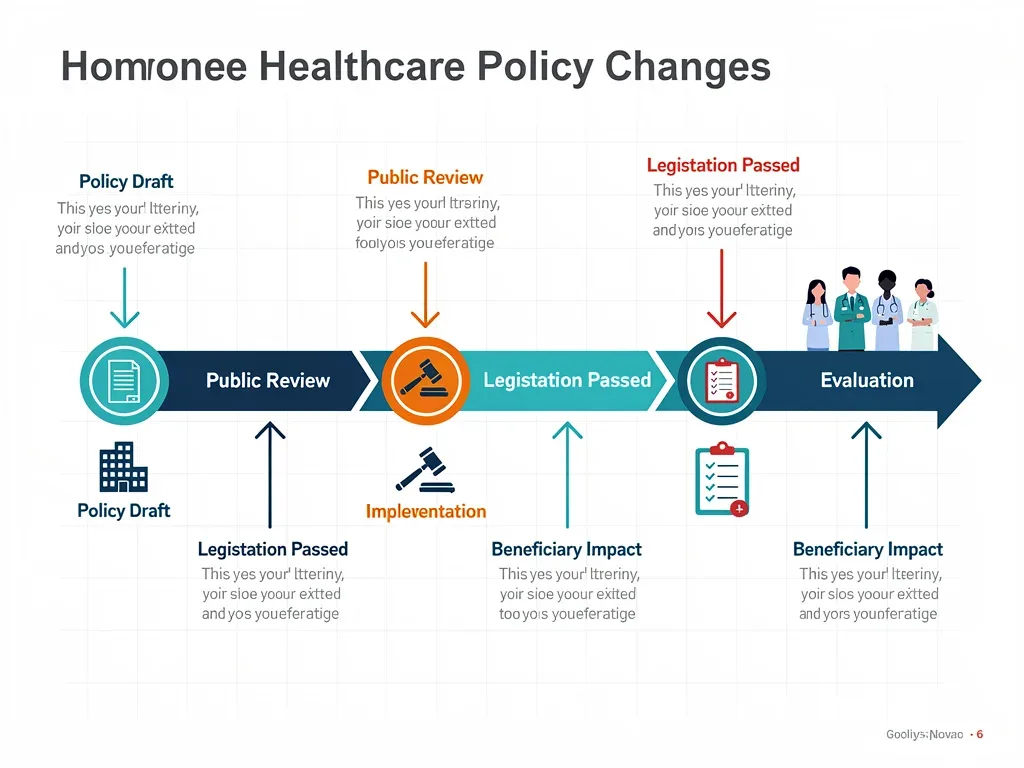
Effective renewal systems require accurate data, accessible communication, and opportunities to correct administrative problems. These features can support eligible beneficiaries.
Lessons from the historical unwinding remain relevant to Medicaid redetermination practices in 2026, particularly for individuals who need assistance navigating paperwork.
State policy differences also matter. Readers can explore broader issues involving Medicaid expansion and healthcare coverage when evaluating state-level options.
Conclusion
Medicaid redetermination remains a critical process for maintaining healthcare coverage in the United States. Although the post-pandemic unwinding is largely historical, regular renewals continue.
Beneficiaries should keep their contact information current, review official notices, and respond promptly when additional information is required.
When coverage ends, reconsideration, appeals, Marketplace plans, CHIP, and employer coverage may provide options. Understanding deadlines can help reduce avoidable gaps in care.
Key Point | Brief Description |
|---|---|
Redetermination Resumption | The post-pandemic unwinding began in 2023; regular Medicaid eligibility renewals continue in 2026. |
Impact on Enrollees | More than 25 million disenrollments occurred during the historical unwinding, including many procedural terminations. |
Outreach Importance | Accurate contact information and timely responses help prevent avoidable coverage interruptions. |
Alternative Coverage | Marketplace plans, CHIP, and employer insurance may offer replacement coverage for eligible individuals. |
Frequently Asked Questions About Medicaid Redetermination
What triggered the Medicaid redetermination changes?▼
The COVID-19 continuous enrollment requirement ended on March 31, 2023, allowing states to resume Medicaid disenrollments as part of the post-pandemic unwinding. That extraordinary process was largely completed during 2024, but states continue conducting regular eligibility renewals in 2026.
How many people were affected by the Medicaid unwinding?▼
Historical data compiled by KFF showed more than 25 million disenrollments and over 56 million renewals by September 2024. Approximately 69% of reported disenrollments were procedural. These figures describe historical outcomes, not a new estimate of people expected to lose coverage in 2026.
What are Essential Health Benefits, and why can access be affected?▼
Essential Health Benefits include ten categories of healthcare services, such as emergency care, prescription drugs, and mental health treatment. Medicaid Alternative Benefit Plans must cover these categories, while traditional Medicaid follows its own benefit requirements. Losing insurance may interrupt access to services covered under an individual's plan.
What should beneficiaries do to avoid losing Medicaid coverage?▼
Keep contact information current, read notices from the state Medicaid agency, and submit requested renewal information before the deadline. Some cases are renewed automatically, but beneficiaries should check their eligibility status and seek assistance when instructions are unclear.
What alternatives are available for people who lose Medicaid coverage?▼
Depending on eligibility, individuals may qualify for Marketplace health insurance, employer-sponsored coverage, CHIP, or other public programs. HealthCare.gov generally provides a special enrollment opportunity beginning 60 days before Medicaid or CHIP ends and extending 90 days afterward. State-specific rules may differ.
Impact and Implications
The history of Medicaid redetermination demonstrates the importance of accurate eligibility reviews and accessible communication. Administrative procedures can directly influence healthcare continuity.
For beneficiaries in 2026, the most useful actions are checking renewal status, responding to official notices, and reviewing replacement coverage options when necessary.
Maintaining access to healthcare requires coordination between state agencies, providers, and beneficiaries. Clear information and timely action can help families navigate coverage changes more effectively.