2026 VA Benefits: Top 4 Programmes & Financial Impact

The top four VA benefit programmes for 2026—Disability Compensation, Education Benefits, Home Loan Guaranty, and VA Health Care—each offer distinct financial impacts, with Disability Compensation often providing the most direct monetary support for eligible veterans.
Navigating the landscape of veterans’ benefits can be a complex journey, especially when trying to understand which programmes offer the most significant financial impact. This article delves into 2026 VA Benefits Comparison, focusing on the top four programmes designed to support those who have served the United States. We aim to provide clarity on how each benefit can financially empower veterans and their families.
Understanding the Core of VA Benefits in 2026
The Department of Veterans Affairs (VA) continuously evolves its benefit offerings to meet the changing needs of service members, veterans, and their families. For 2026, while the fundamental structure of many programmes remains consistent, there are often adjustments in rates, eligibility criteria, and administrative processes. Understanding these core aspects is the first step in assessing their potential financial impact.
At its heart, VA benefits are designed to provide a safety net and opportunities for those who have sacrificed for their country. This includes direct financial assistance, educational opportunities, housing support, and critical healthcare services. Each programme serves a unique purpose, and their combined effect can significantly improve a veteran’s quality of life and financial stability.
The Purpose of VA Support
- Compensation for Service-Connected Conditions: Financial relief for injuries or illnesses incurred or aggravated during military service.
- Educational and Career Advancement: Tools and funding to pursue higher education or vocational training, leading to better employment prospects.
- Housing Stability: Assistance in securing a home, often the largest financial investment many individuals make.
- Comprehensive Health Services: Access to medical care, which can alleviate significant out-of-pocket health expenses.
The overarching goal of these benefits is to ensure veterans receive the support they need to reintegrate into civilian life successfully and thrive. By examining the specific financial mechanisms of each of the top four programmes, we can better gauge their individual and collective impact.
In summary, VA benefits in 2026 are multifaceted, aiming to address various aspects of a veteran’s life. A clear understanding of each programme’s intent and how it translates into financial assistance is crucial for effective planning and utilisation.
VA Disability Compensation: Direct Financial Relief
VA Disability Compensation stands as one of the most direct and substantial financial benefits available to veterans. This programme provides tax-free monetary benefits to veterans who have a service-connected disability. The amount received is directly tied to the severity of the disability, as rated by the VA, and can significantly impact a veteran’s monthly income.
The financial impact of disability compensation is immediate and ongoing. For many veterans, this payment forms a crucial part of their household budget, helping to cover living expenses, medical costs not covered by other means, and overall financial stability. The rates are adjusted annually, typically in line with cost-of-living increases, ensuring the benefit maintains its purchasing power over time.
Determining Disability Ratings and Payments
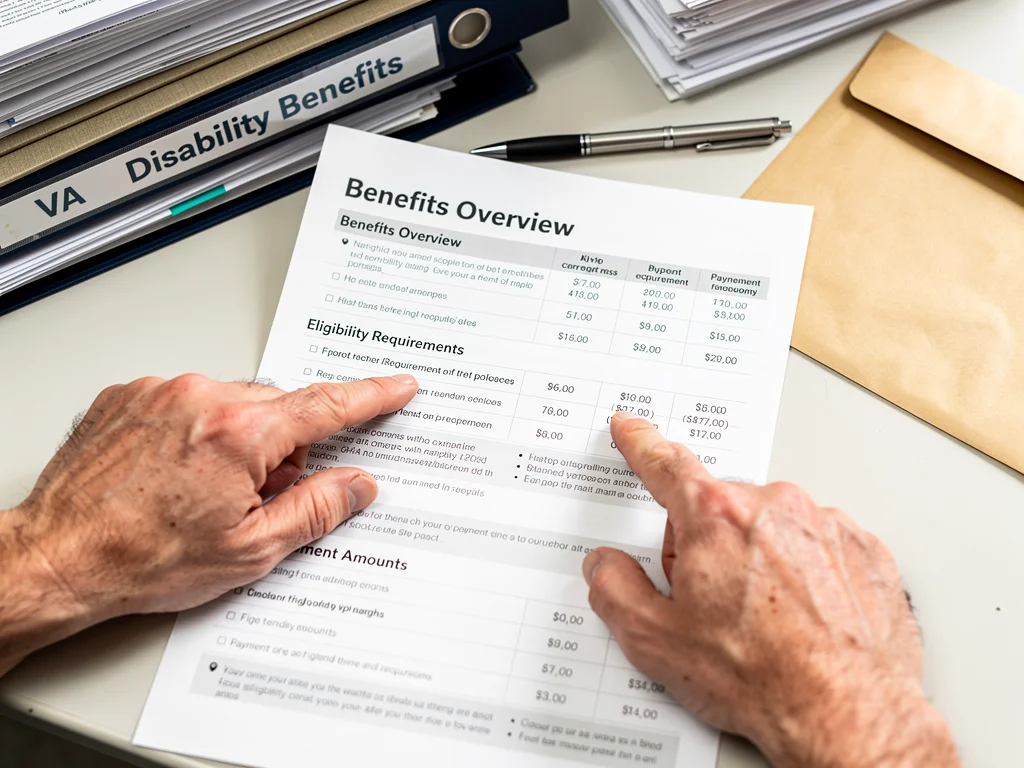
The VA assesses disability ratings based on medical evidence and the impact of the condition on a veteran’s daily life. Ratings range from 0% to 100% in 10% increments. A higher rating generally means a higher monthly compensation. Veterans with multiple service-connected disabilities may receive a combined rating, which further influences their payment.
Beyond the basic rate, additional allowances can be granted for specific circumstances, such as having dependants (spouse, children, or dependent parents) or if the veteran requires aid and attendance from another person for daily living activities. These additional allowances can substantially increase the total monthly payment, making the financial relief even more comprehensive.
- Tax-Free Income: All disability compensation payments are exempt from federal and state income taxes, maximising their net financial benefit.
- Long-Term Stability: Payments continue for the veteran’s lifetime, providing a consistent income stream.
- Potential for Increased Benefits: Ratings can be re-evaluated if a condition worsens, potentially leading to higher compensation.
The financial impact of VA Disability Compensation is profound, offering a stable and tax-free income source that can significantly alleviate financial burdens associated with service-connected health conditions. It is often considered the most financially impactful programme due to its direct monetary nature and long-term provision.
VA Education Benefits: Investing in Future Earning Potential
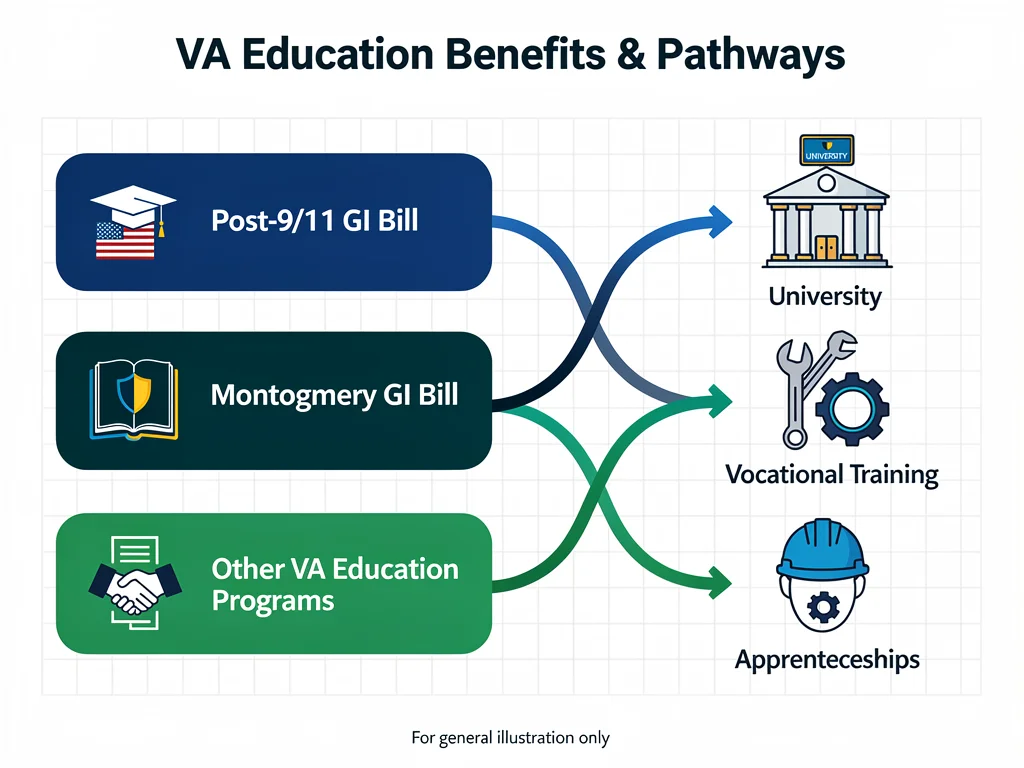
VA Education Benefits, primarily through programmes like the Post-9/11 GI Bill and the Montgomery GI Bill, represent a significant investment in a veteran’s future earning potential. While not direct cash payments in the same way as disability compensation, these benefits cover tuition, fees, housing, and book costs, removing substantial financial barriers to education and career advancement.
The financial impact here is indirect but powerful: by enabling veterans to pursue higher education or vocational training without accumulating significant debt, these benefits open doors to better-paying jobs and long-term career growth. The value of a degree or certification, coupled with military experience, often translates into a higher salary and greater job security.
Post-9/11 GI Bill: A Comprehensive Educational Pathway
The Post-9/11 GI Bill is particularly robust, offering up to 36 months of benefits for tuition and fees (paid directly to the school), a monthly housing allowance (MHA) based on the cost of living where the veteran attends school, and an annual book and supply stipend. For many, this means attending college or vocational school with little to no out-of-pocket educational expenses.
The MHA is a critical component, as it helps cover living costs while the veteran is a student, allowing them to focus on their studies rather than worrying about immediate income. This financial support reduces the need for student loans and allows veterans to enter the workforce post-graduation with a stronger financial footing.
- Tuition Coverage: Eliminates or significantly reduces the cost of higher education.
- Monthly Housing Allowance: Provides financial support for living expenses during studies.
- Skill Development: Facilitates access to training that leads to higher-paying careers.
While not a direct income stream, VA Education Benefits offer a transformative financial impact by equipping veterans with the skills and credentials needed to secure higher-paying employment, thus improving their long-term financial health and stability.
VA Home Loan Guaranty: Building Equity and Saving Costs
The VA Home Loan Guaranty programme is a cornerstone benefit that significantly aids veterans in achieving homeownership. Unlike direct cash benefits, this programme works by guaranteeing a portion of the loan a veteran obtains from a private lender. This guarantee reduces the risk for lenders, allowing them to offer more favourable terms to veterans than might otherwise be available.
The financial impact of the VA Home Loan is substantial due to several key advantages: no down payment requirement, competitive interest rates, no private mortgage insurance (PMI), and limited closing costs. These features can save veterans tens of thousands of dollars over the life of a loan, making homeownership more accessible and affordable.
Key Financial Advantages of VA Home Loans
The absence of a down payment is perhaps the most significant financial benefit, as it removes a major hurdle for many prospective homeowners. Saving for a down payment can take years, and the VA loan bypasses this requirement entirely for most eligible veterans. This means veterans can enter the housing market sooner and begin building equity.
Furthermore, not having to pay PMI—a monthly fee charged on conventional loans when a down payment is less than 20%—results in considerable monthly savings. These savings accumulate over time, freeing up funds for other financial goals or reducing the overall housing expense. The competitive interest rates often offered on VA loans also translate to lower monthly mortgage payments compared to other loan types.
- No Down Payment: Eliminates a major financial barrier to homeownership.
- No PMI: Reduces monthly housing costs significantly.
- Competitive Interest Rates: Leads to lower overall loan costs and monthly payments.
- Building Equity: Allows veterans to build personal wealth through homeownership.
In essence, the VA Home Loan Guaranty provides a powerful financial advantage by making homeownership more attainable and less costly. It facilitates wealth building through equity and offers substantial savings on upfront and ongoing housing expenses, contributing significantly to a veteran’s long-term financial well-being.
VA Health Care: Reducing Medical Expenses and Ensuring Well-being
VA Health Care offers comprehensive medical services to eligible veterans, significantly reducing or eliminating out-of-pocket medical expenses. While not a direct financial payment, the value of accessible, high-quality healthcare cannot be overstated in terms of its financial impact. Healthcare costs can be a major financial burden for individuals and families, and the VA system mitigates this risk for veterans.
The financial benefit of VA Health Care comes from avoiding high insurance premiums, deductibles, co-pays, and prescription costs associated with private healthcare. For veterans with chronic conditions or those requiring extensive medical treatment, these savings can amount to thousands of pounds annually, freeing up financial resources for other essential needs.
Scope of Services and Cost Savings
VA Health Care covers a wide range of services, including primary care, specialty care, mental health services, prescription medications, hospital stays, and more. Eligibility and priority for care depend on factors such as service-connected disabilities, income levels, and other specific criteria. For those enrolled, the system provides a robust safety net against unexpected and ongoing medical expenses.
The financial relief extends beyond just direct medical costs. Access to preventative care and early intervention through the VA system can prevent more serious, and thus more expensive, health issues from developing. This proactive approach to health management not only preserves a veteran’s well-being but also protects their financial stability from unforeseen medical crises.
- Reduced Out-of-Pocket Costs: Minimises expenses for doctor visits, specialists, and hospitalisations.
- Affordable Prescriptions: Significantly lowers the cost of necessary medications.
- Comprehensive Coverage: Access to a wide array of medical and mental health services.
- Financial Security: Protects against potentially crippling medical debt.
Ultimately, VA Health Care provides immense financial value by ensuring veterans have access to necessary medical services without incurring prohibitive costs. This benefit safeguards financial resources, promotes overall health, and provides peace of mind that medical needs will be met, contributing significantly to a veteran’s economic security.
Comparing Financial Impacts: Which Programme Offers the Most?
When assessing which of the top four VA programmes offers the best financial impact for veterans in 2026, it’s important to recognise that ‘best’ can be subjective and depend heavily on individual circumstances. However, we can evaluate them based on direct monetary gain, cost savings, and long-term financial growth potential.
VA Disability Compensation often stands out for its direct and immediate financial impact. The tax-free monthly payments provide a consistent income stream that directly boosts a veteran’s disposable income. For veterans with high disability ratings, these payments can be substantial, forming a primary source of financial support and offering unparalleled direct monetary relief.
Holistic Financial Benefits
VA Education Benefits, while not providing direct cash flow (apart from housing allowances), offer immense long-term financial impact. By funding education and training, they enable veterans to secure higher-paying jobs, leading to increased lifetime earnings. The return on investment for education can be exponential, making it a powerful tool for upward economic mobility.
VA Home Loan Guaranty provides significant financial savings by eliminating down payments and PMI, and offering competitive rates. This translates into lower upfront costs and reduced monthly expenses, freeing up thousands of pounds over the loan’s term. It also facilitates wealth building through home equity, a crucial component of long-term financial security.
VA Health Care offers critical financial protection by covering medical costs. The savings from avoiding insurance premiums, co-pays, and prescription costs can be substantial, especially for those with ongoing health needs. This prevents medical debt, a leading cause of financial distress, thereby safeguarding a veteran’s economic stability.
- Disability Compensation: Highest direct, immediate, and ongoing financial boost.
- Education Benefits: Strongest long-term financial growth through increased earning potential.
- Home Loan Guaranty: Significant savings on housing costs and wealth accumulation.
- Health Care: Essential financial protection against potentially catastrophic medical expenses.
In conclusion, while Disability Compensation typically provides the most direct and immediate financial impact, the ‘best’ programme ultimately depends on a veteran’s specific needs, goals, and life stage. A comprehensive approach, leveraging multiple benefits, often yields the greatest overall financial advantage.
Maximising Your VA Benefits in 2026: A Strategic Approach
Navigating the array of VA benefits available in 2026 requires a strategic and informed approach to ensure veterans maximise their entitlements. It’s not simply about applying for one benefit, but understanding how different programmes can complement each other to create a robust financial safety net and pathway to prosperity. Proactive engagement and thorough research are key.
One of the most crucial steps is to fully understand eligibility criteria for each programme. These can vary significantly, and what qualifies one veteran for a certain benefit might not apply to another. Regularly checking official VA resources and consulting with veteran service organisations (VSOs) can provide invaluable guidance and ensure no potential benefit is overlooked.
Key Strategies for Optimisation
For instance, a veteran receiving Disability Compensation might also utilise Education Benefits to pursue a degree, which in turn could lead to a higher-paying job, further enhancing their financial situation. Simultaneously, they could leverage a VA Home Loan to secure affordable housing, building equity while saving on traditional mortgage costs. This multi-pronged approach amplifies the overall financial impact.
Staying informed about annual adjustments and any new initiatives from the VA is also vital. Benefit rates, particularly for Disability Compensation and the housing allowance for education, are subject to change. Being aware of these updates can help veterans adjust their financial planning accordingly and ensure they are always receiving the maximum allowable benefit.
- Understand Eligibility: Thoroughly research requirements for each benefit.
- Combine Benefits: Explore how different programmes can work together for greater impact.
- Stay Informed: Keep abreast of VA policy changes and rate adjustments.
- Seek Expert Advice: Utilise VSOs and VA representatives for personalised guidance.
Ultimately, maximising VA benefits in 2026 means viewing them as a comprehensive suite of tools designed to support various aspects of a veteran’s life. By strategically combining these programmes and staying informed, veterans can significantly enhance their financial stability and long-term well-being.
| VA Programme | Primary Financial Impact |
|---|---|
| Disability Compensation | Direct, tax-free monthly income for service-connected disabilities. |
| Education Benefits | Covers tuition, housing, and books, boosting long-term earning potential. |
| Home Loan Guaranty | No down payment, no PMI, competitive rates, saving thousands on housing. |
| Health Care | Reduces out-of-pocket medical expenses, protecting financial stability. |
Frequently Asked Questions About 2026 VA Benefits
Veterans can apply for most VA benefits online through the VA.gov website, by mail, or with the assistance of a Veterans Service Officer (VSO). It’s advisable to gather all necessary documentation, such as discharge papers (DD214) and medical records, before starting the application process to ensure a smoother experience.
VA benefit rates, particularly for disability compensation and housing allowances, are typically adjusted annually based on cost-of-living adjustments (COLAs). While specific figures for 2026 are usually announced later in the preceding year, veterans can generally anticipate slight increases to keep pace with inflation.
Yes, in many cases, veterans can use multiple VA benefits concurrently. For example, a veteran receiving disability compensation can also utilise education benefits or a VA home loan. However, some benefits may have specific rules regarding concurrent use, so it’s always best to check individual programme guidelines or consult a VSO.
While impact varies by individual circumstances, VA Disability Compensation often provides the most direct and consistent financial benefit due to its tax-free monthly payments. However, education benefits offer significant long-term financial growth, and home loan benefits provide substantial savings and wealth building opportunities.
For personalised advice, veterans should connect with accredited Veterans Service Officers (VSOs) from organisations like the American Legion, VFW, or Disabled American Veterans (DAV). These professionals offer free assistance, helping veterans understand their eligibility, navigate the application process, and appeal decisions if necessary.
Conclusion
In evaluating the top four VA benefit programmes for 2026, it becomes clear that each offers distinct and significant financial advantages for veterans. While VA Disability Compensation often provides the most direct and immediate monetary impact through its tax-free monthly payments, the long-term financial growth enabled by Education Benefits, the substantial savings and wealth-building potential of the Home Loan Guaranty, and the essential financial protection offered by VA Health Care are equally invaluable. The ‘best’ programme ultimately depends on individual needs and life stages, but a strategic understanding and utilisation of these combined benefits can profoundly enhance a veteran’s financial stability and overall well-being. Proactive engagement with VA resources and veteran service organisations remains crucial for maximising these vital entitlements.
Related Posts: