2026 Capital Gains Tax Adjustments: US Stockholders’ Essential Guide
Advertisements
The 2026 capital gains tax adjustments could significantly impact US stockholders, necessitating a clear understanding of potential changes to tax rates, holding periods, and reporting requirements for effective financial planning and investment strategies.
As we approach 2026, the landscape of investment taxation in the United States is poised for potential shifts, making 2026 capital gains tax adjustments a critical topic for every US stockholder. Understanding these prospective changes is not merely about compliance; it is about optimising your financial future.
The Current Capital Gains Tax Framework: A Brief Overview
Before delving into what 2026 might bring, it is essential to grasp the current structure of capital gains taxation in the US. This foundational knowledge provides the necessary context for understanding any forthcoming adjustments and their potential impact on your investment portfolio.
Capital gains are profits realised from the sale of assets, such as stocks, bonds, real estate, or other investments. The tax treatment of these gains depends significantly on how long you held the asset before selling it. This distinction is crucial, as it separates gains into two primary categories with differing tax implications.
Short-Term vs. Long-Term Capital Gains
The duration for which an asset is held is the defining factor in its classification. This distinction directly influences the tax rate applied, making it a pivotal element in investment planning.
- Short-Term Capital Gains: These are profits from assets held for one year or less. They are typically taxed at an individual’s ordinary income tax rates, which can range from 10% to 37% depending on their taxable income and filing status. This means that short-term gains are treated much like your regular salary or wages.
- Long-Term Capital Gains: These are profits from assets held for more than one year. These gains generally benefit from preferential tax rates, which are often lower than ordinary income tax rates. For most taxpayers, long-term capital gains rates are 0%, 15%, or 20%, depending on their income level. This preferential treatment encourages long-term investment and capital formation.
Understanding these fundamental categories is the first step towards comprehending the complexities of capital gains tax. Any adjustments in 2026 could alter these definitions, the rates applied, or even introduce new tiers, making prior knowledge indispensable for effective adaptation.
Why 2026 is a Crucial Year for Capital Gains Tax
The year 2026 is not just another date on the calendar; it marks a significant juncture for US tax policy, particularly concerning capital gains. Several factors converge around this period, suggesting that substantial adjustments are not just possible, but perhaps even probable. Investors need to be aware of these underlying drivers to anticipate changes effectively.
One of the primary reasons for the heightened focus on 2026 stems from the sunsetting provisions of the Tax Cuts and Jobs Act (TCJA) of 2017. Many individual tax provisions from the TCJA are set to expire at the end of 2025. This expiration will automatically revert certain tax rules to their pre-TCJA state unless Congress acts to extend, modify, or replace them. While the TCJA primarily impacted ordinary income tax rates, its broader influence on the tax code creates a window for comprehensive tax reform discussions that could easily encompass capital gains.
Beyond the TCJA sunset, the prevailing economic and political climate also plays a significant role. Governments constantly seek ways to fund public services, address national debt, and promote specific economic behaviours. Capital gains tax is often a target for adjustments because it impacts a segment of the population that holds substantial wealth and can generate significant revenue for the treasury. Debates around wealth inequality and fiscal responsibility frequently bring capital gains taxation into the spotlight, making it a perennial subject of legislative scrutiny.
Moreover, shifts in presidential administrations and congressional majorities can lead to differing philosophies on taxation. A new administration or a change in legislative control might prioritise revenue generation, wealth redistribution, or economic stimulus, each of which could lead to different approaches to capital gains tax. Therefore, 2026 represents a confluence of legislative deadlines, economic imperatives, and political opportunities that make it a pivotal year for potential changes to how investment profits are taxed.
Potential Adjustments to Capital Gains Tax Rates
Speculation about the specifics of 2026 capital gains tax adjustments often centres on the rates themselves. While nothing is certain until legislation is passed, various proposals and economic pressures suggest several directions these changes could take. Understanding these possibilities allows investors to model different scenarios for their portfolios.
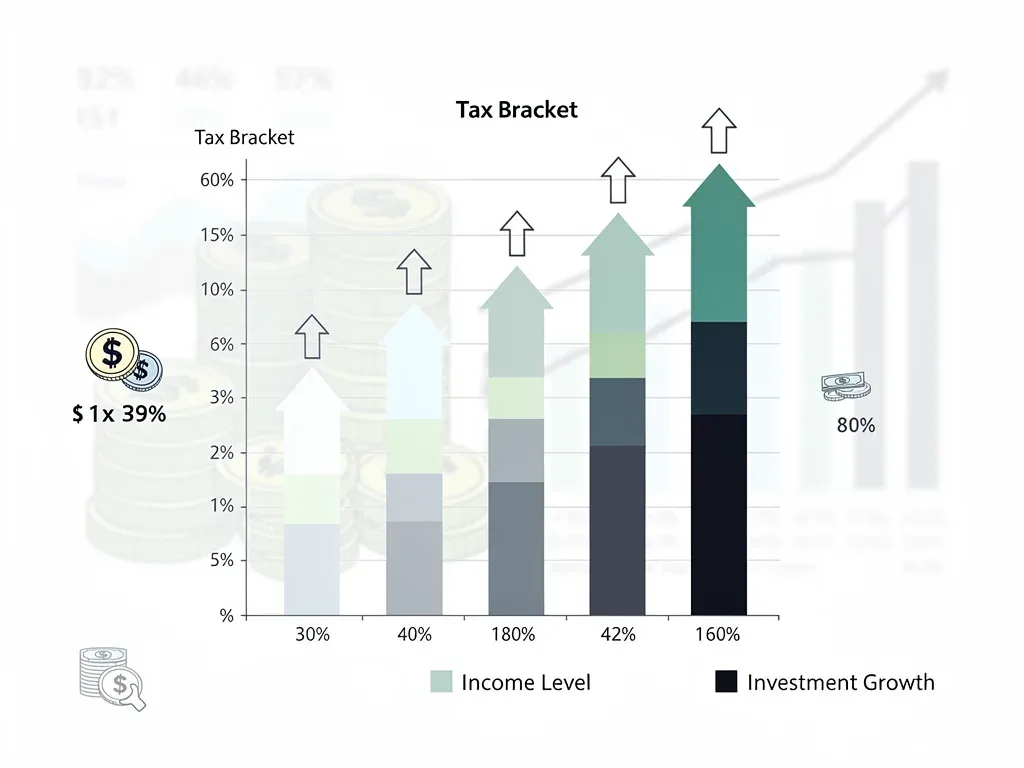
One widely discussed possibility is an increase in the long-term capital gains tax rates. For instance, proposals have surfaced to align long-term capital gains rates more closely with ordinary income tax rates, particularly for high-income earners. This could mean that the current 0%, 15%, and 20% rates might see an upward revision, potentially reaching rates as high as 37% for the wealthiest individuals, effectively removing the preferential treatment currently afforded to long-term investments. Such a change would significantly alter the after-tax returns on long-held assets.
Harmonisation with Ordinary Income Rates
The idea of taxing capital gains at the same rate as ordinary income is not new and often resurfaces during discussions about tax fairness and revenue generation. If implemented, this would eliminate the distinction between short-term and long-term gains in terms of tax rates for many taxpayers, simplifying one aspect of the tax code while potentially increasing the tax burden on investors.
- Impact on High Earners: Those in the highest income brackets would likely face the most substantial increases, as their ordinary income rates are already at the top tier.
- Reduced Incentive for Long-Term Holding: While long-term holding offers other benefits, the tax advantage would diminish, potentially influencing investment horizons.
- Revenue Generation: This change could significantly boost government revenue, which is often a primary driver for such proposals.
Another potential adjustment could involve new tax brackets specifically for capital gains, or modifications to the income thresholds at which current rates apply. For example, the income levels that qualify for the 0% or 15% long-term capital gains rates could be adjusted downwards, pulling more individuals into higher tax brackets. Conversely, there could be proposals to introduce new surtaxes on very high capital gains, adding an additional layer of taxation beyond the standard rates.
It is also conceivable that changes could be more targeted, focusing on specific types of assets or investment vehicles. For instance, certain carried interest provisions, which allow private equity and hedge fund managers to treat a portion of their compensation as capital gains, have been a frequent target for reform. Any adjustments here would primarily affect professionals in the financial industry but could signal a broader trend in how investment-related income is viewed and taxed. Investors should therefore monitor not just broad rate changes, but also specific proposals that could impact niche investment strategies or asset classes.
Impact on US Stockholders: What to Expect
For US stockholders, the prospect of 2026 capital gains tax adjustments brings both uncertainty and the need for proactive planning. The potential changes could ripple through investment strategies, retirement planning, and overall wealth management. Understanding these potential impacts is crucial for navigating the evolving tax landscape effectively.
One of the most immediate effects of higher capital gains tax rates would be a reduction in after-tax investment returns. If an investor sells an asset for a profit, a larger portion of that profit would be claimed by taxes, leaving less for reinvestment or consumption. This could particularly affect individuals nearing retirement who plan to liquidate portions of their portfolios to fund living expenses, as their net proceeds would be reduced. It also influences the decision-making process for selling appreciated assets, potentially leading to investors holding onto assets longer to defer tax events, or seeking tax-advantaged accounts more aggressively.

Changes in Investment Behaviour
Anticipated tax changes often lead to shifts in investor behaviour. For instance, if rates are expected to rise significantly, there might be a rush to realise gains before the new rules take effect. Conversely, if rates are expected to decrease in the distant future, investors might delay selling. These behavioural responses can create market volatility and impact asset prices.
- Increased Tax-Loss Harvesting: Investors may become more diligent in selling losing investments to offset gains, thereby reducing their overall tax liability.
- Shift Towards Tax-Advantaged Accounts: Greater emphasis might be placed on utilising 401(k)s, IRAs, and other tax-deferred or tax-exempt accounts to shield investment growth from immediate taxation.
- Preference for Dividend Stocks: Some investors might favour dividend-paying stocks if qualified dividends continue to receive preferential tax treatment, or if the income stream becomes more predictable compared to capital appreciation.
Furthermore, changes in capital gains tax can influence broader market dynamics. If investors perceive that the tax burden on capital gains is too high, it could dampen enthusiasm for equity markets, potentially leading to a reallocation of capital towards other asset classes or international markets with more favourable tax regimes. This could affect capital formation and the availability of funds for businesses seeking to grow. Moreover, the complexity of new tax rules could increase the demand for professional financial advice, as investors seek expert guidance to navigate the intricate implications for their personal financial situations. Ultimately, stockholders should prepare for a period of adjustment and be ready to re-evaluate their investment strategies to align with the new tax environment.
Strategies for Navigating Potential Tax Changes
As the 2026 capital gains tax adjustments loom, proactive planning becomes paramount for US stockholders. While the exact nature of the changes remains to be seen, adopting flexible and tax-efficient strategies can help mitigate potential negative impacts and even uncover new opportunities. A well-considered approach can safeguard your wealth and optimise your investment performance.
One fundamental strategy is to review your current portfolio with a tax-aware lens. This involves understanding the cost basis of your investments, identifying highly appreciated assets, and considering their potential tax implications if sold under different rate scenarios. It is also an opportune time to assess your overall financial goals and how potential tax changes might affect your ability to achieve them. This might mean adjusting your risk tolerance or your expected rate of return.
Optimising Your Investment Vehicles
Leveraging tax-advantaged accounts is a cornerstone of smart financial planning, and their importance only grows in the face of potential tax hikes. These accounts offer various benefits that can shield your investments from the immediate impact of capital gains taxes.
- Retirement Accounts (401(k)s, IRAs): Contributions to traditional accounts are often tax-deductible, and growth is tax-deferred until withdrawal in retirement. Roth versions allow for tax-free withdrawals in retirement, provided certain conditions are met.
- Health Savings Accounts (HSAs): For those eligible, HSAs offer a triple tax advantage: tax-deductible contributions, tax-free growth, and tax-free withdrawals for qualified medical expenses. They can also function as a supplemental retirement account.
- 529 Plans: Designed for education savings, these plans offer tax-free growth and withdrawals when used for qualified educational expenses, making them excellent for funding future education costs.
Another crucial strategy is tax-loss harvesting. This involves selling investments at a loss to offset capital gains and, potentially, a limited amount of ordinary income. By strategically realising losses, you can reduce your overall tax liability. It is a year-round strategy that becomes even more valuable when anticipating higher capital gains rates. Furthermore, consider diversifying your investments not just by asset class, but also by their tax treatment. For example, holding municipal bonds can provide tax-exempt interest income, which might become more attractive if capital gains taxes increase significantly.
Finally, consulting with a qualified financial advisor or tax professional is invaluable. They can provide personalised guidance based on your specific financial situation, help you understand the nuances of any new legislation, and assist in developing a tailored strategy to navigate the evolving tax landscape. Staying informed and adaptable will be key to successfully managing your investments through the 2026 tax adjustments.
The Role of Financial Advisors in Tax Planning
In an environment of impending tax changes, such as the anticipated 2026 capital gains tax adjustments, the expertise of financial advisors becomes indispensable for US stockholders. Navigating complex tax codes and optimising investment strategies requires specialised knowledge and a nuanced understanding of how legislative changes can impact individual financial goals. A skilled advisor acts as a crucial guide, helping investors make informed decisions.
Financial advisors play a pivotal role in demystifying the intricacies of tax legislation. They can translate complex legal jargon into understandable advice, explaining how potential changes to capital gains rates, holding periods, or exemptions might specifically affect an investor’s portfolio. This clarity is essential for making timely and effective adjustments to investment plans. Advisors also stay abreast of ongoing legislative discussions, providing clients with up-to-date information and preparing them for various potential outcomes, rather than reacting solely to enacted laws.
Tailored Strategies for Individual Needs
Every investor’s situation is unique, with different income levels, investment horizons, risk tolerances, and financial goals. A good financial advisor provides personalised strategies that align with these individual circumstances, rather than offering generic advice.
- Portfolio Analysis: Advisors can conduct a thorough analysis of an investor’s current holdings, identifying assets that might be most affected by tax changes and recommending adjustments.
- Tax-Efficient Asset Location: They can help decide which assets are best held in taxable accounts versus tax-advantaged accounts (like 401(k)s, IRAs, or HSAs) to maximise after-tax returns.
- Retirement Planning: For those nearing or in retirement, advisors can help structure withdrawals and asset sales to minimise tax liabilities, ensuring retirement funds last longer.
Beyond technical expertise, financial advisors offer a valuable objective perspective. Emotions can often drive investment decisions, especially during periods of uncertainty or market volatility. An advisor can provide a rational viewpoint, helping clients avoid impulsive reactions to tax news and instead stick to a well-thought-out long-term plan. They can also facilitate coordination between different financial professionals, such as tax accountants and estate planners, to ensure a holistic approach to wealth management. Ultimately, engaging with a financial advisor provides not just expert guidance, but also peace of mind, knowing that your financial future is being managed with careful consideration of all relevant factors, including evolving tax laws.
Staying Informed and Adapting to New Tax Realities
As we navigate towards the potential 2026 capital gains tax adjustments, the ability to stay informed and adapt swiftly will be a key differentiator for successful US stockholders. The tax landscape is rarely static, and proactive engagement with reliable information sources is crucial for making timely and effective financial decisions. This continuous learning and adaptation process is not just about compliance, but about optimising your financial position in a dynamic environment.
One of the most effective ways to stay informed is by regularly consulting reputable financial news outlets, government publications from the IRS or Treasury Department, and analyses from established financial institutions. These sources often provide early insights into proposed legislation, detailed explanations of enacted laws, and expert opinions on their potential impacts. Subscribing to newsletters from tax professionals and financial advisors can also keep you abreast of crucial developments without having to constantly scour various platforms.
Key Areas to Monitor
While the entire tax code can seem overwhelming, focusing on specific areas related to capital gains will help streamline your information gathering and make it more actionable.
- Legislative Proposals: Keep an eye on any bills introduced in Congress that pertain to capital gains, income tax rates, or wealth taxes.
- Economic Indicators: Understand how broader economic conditions (inflation, interest rates, GDP growth) might influence the government’s approach to taxation.
- Expert Commentary: Follow analyses from tax attorneys, economists, and financial strategists who often provide valuable insights into the practical implications of proposed changes.
Beyond staying informed, adaptability is paramount. Financial plans should not be rigid; they should be living documents that can be adjusted in response to new realities. This means regularly reviewing your investment portfolio, discussing potential scenarios with your financial advisor, and being prepared to execute changes if and when new tax laws are enacted. For example, if tax rates are confirmed to rise, you might consider accelerating certain capital gains into the current tax year, or rebalancing your portfolio to favour tax-efficient investments. Conversely, if certain tax breaks are introduced, you should be ready to capitalise on them. The goal is not just to react, but to anticipate and strategically position yourself to thrive regardless of how the tax landscape evolves. By cultivating a habit of continuous learning and maintaining flexibility in your financial planning, you can effectively navigate the challenges and opportunities presented by the 2026 capital gains tax adjustments.
| Key Point | Brief Description |
|---|---|
| TCJA Sunset | Many individual tax provisions from the 2017 Tax Cuts and Jobs Act expire end of 2025, opening door for broader tax reform. |
| Rate Increases | Potential for long-term capital gains rates to increase, possibly aligning with ordinary income rates for high earners. |
| Investor Impact | Reduced after-tax returns, shifts in investment behaviour, and increased focus on tax-advantaged accounts. |
| Proactive Planning | Utilise tax-loss harvesting, optimise investment vehicles, and consult financial advisors for tailored strategies. |
Frequently Asked Questions About 2026 Capital Gains Tax
What are capital gains taxes and how are they currently calculated?▼Capital gains taxes are levied on profits from selling assets like stocks or property. They’re categorised as short-term (assets held for one year or less, taxed at ordinary income rates) or long-term (assets held over one year, taxed at preferential rates of 0%, 15%, or 20%, depending on income).
Why is 2026 considered a significant year for capital gains tax adjustments?▼2026 is significant because many individual tax provisions from the 2017 Tax Cuts and Jobs Act are set to expire at the end of 2025. This sunset provision opens the door for Congress to reconsider and potentially adjust various tax laws, including those related to capital gains.
What are the potential changes to capital gains tax rates in 2026?▼Potential changes include increases in long-term capital gains rates, possibly aligning them more closely with ordinary income tax rates for higher earners. There could also be adjustments to income thresholds for existing rates or the introduction of new surtaxes on very high capital gains.
How can US stockholders prepare for these potential tax adjustments?▼Stockholders can prepare by reviewing portfolios, utilising tax-advantaged accounts (like 401(k)s and IRAs), engaging in tax-loss harvesting, and diversifying investments. Consulting a financial advisor is also crucial for personalised strategies and staying informed about legislative developments.
Will these changes affect all US stockholders equally?▼No, the impact will likely vary based on income levels, investment sizes, and holding periods. Higher-income earners and those with significant unrealised gains may experience more substantial changes, especially if rates increase for top brackets or if preferential long-term rates are reduced.
Conclusion
The anticipated 2026 capital gains tax adjustments represent a significant moment for US stockholders. While the precise nature of these changes remains subject to legislative debate, the potential for increased rates and altered tax structures is clear. Proactive planning, informed decision-making, and strategic adaptation will be paramount for navigating this evolving financial landscape. By staying informed, leveraging tax-efficient strategies, and consulting with financial professionals, investors can position themselves to mitigate adverse impacts and continue to build wealth effectively in the years to come.